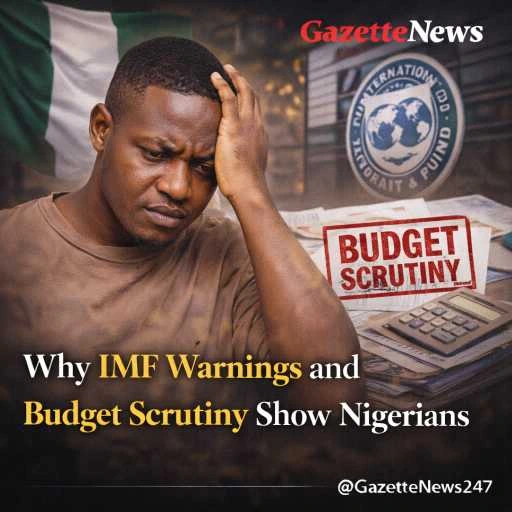
The growing chorus of warnings from the International Monetary Fund and Nigerian economists is not just about technical policy advice. It reflects a deeper problem: many Nigerians no longer trust that economic reforms will actually improve their lives. As inflation stays high, purchasing power remains weak, and budgets come under scrutiny, the gap between reform promises and everyday reality is becoming harder to ignore.
What the IMF Is Really Warning About
At the 2026 Macroeconomic Outlook event in Lagos, the IMF’s Country Representative, Christian Ebeke, cautioned Nigeria against reversing its recent reforms, especially as election pressure builds. His message was blunt. Progress has been made, but it is fragile.
Inflation is still in double digits, fiscal buffers are thin, and the temptation for politicians to spend recklessly before elections could undo the gains already recorded. Ebeke warned that returning to price controls or exchange rate manipulation would drain reserves, distort markets, and scare away investors.
In simple terms, the IMF is saying this: Nigeria has paid a heavy price to stabilise the economy. If politics now forces a reversal, the country will slide back into crisis.
Why Nigerians Are Not Convinced
Despite these warnings, many Nigerians feel little relief from the reforms. Food prices remain high. Transport costs are rising. Wages have not kept up. Businesses are struggling with multiple taxes and weak demand.
That is why budget claims and reform achievements are now being closely questioned. When the government says capital spending is improving or inflation is easing, citizens look around and see a different story. This disconnect is where trust breaks down.
People are not rejecting reform because they love the old system. They are losing faith because the sacrifices have not yet translated into visible improvement in daily life.
What the Experts Are Saying
Economists agree that the IMF’s concerns are valid. They argue that reform reversal would be disastrous, especially because Nigeria lacks strong financial buffers. With oil prices uncertain and external reserves under pressure, the country has little room for mistakes.
But they also acknowledge a painful truth. Stability alone is not enough. Growth has been weak and uneven. Jobs are not being created fast enough. Purchasing power is still falling for most households.
This is why the reform debate is shifting. The question is no longer whether reform is necessary. It is whether the government can turn reform into real economic relief.
The Political Risk Behind the Numbers
As 2027 approaches, political pressure is rising. State governments now have more fiscal space and may be tempted to spend for short-term popularity instead of long-term stability. That is exactly what the IMF fears.
For Nigerians, this raises a worrying possibility. After enduring painful reforms, the country could still end up worse off if politicians trade discipline for votes. That fear explains why confidence is fragile and why every budget and policy announcement is being scrutinised.
Why This Matters More Than a Technical Debate
This is not just an IMF conversation. It is a trust issue.
If reforms continue without visible benefits, Nigerians will stop believing in them. If reforms are reversed, investors will walk away. Either path carries risk, but only one offers a future.
What Nigerians want is simple. Not perfect macroeconomic charts, but affordable food, stable jobs, reliable power, and a sense that tomorrow will be better than today.
Until reforms deliver that, IMF warnings and budget speeches will sound like distant promises to a public that is running out of patience.