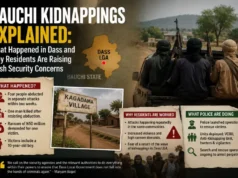


The mass abduction of worshippers in Kurmin Wali, a rural community in Southern Kaduna, has exposed familiar weaknesses in Nigeria’s security and rescue response. Beyond the shock of the attack itself, the incident highlights deeper problems around prevention, response speed, and the long wait families endure after kidnappings.
What Happened in Kurmin Wali?
Earlier this month, armed assailants reportedly stormed churches during worship services in Kurmin Wali and abducted at least 166 people, including women and children. The scale of the attack, carried out in a place of worship, drew widespread condemnation and renewed concern over insecurity in rural Kaduna communities.
Residents described scenes of panic and fear, with families left traumatised and uncertain about the fate of their loved ones. While officials confirmed that security agencies were alerted, the abduction reinforced how vulnerable isolated communities remain.
Why Rural Communities Are Still Exposed
Kurmin Wali’s experience mirrors a recurring pattern across parts of Northern Nigeria. Many rural settlements lack access roads, permanent security posts, and reliable intelligence coverage. These gaps make it easier for armed groups to strike and retreat into nearby forests before help arrives.
Security responses often begin after attacks occur, rather than preventing them. Community leaders and analysts have repeatedly warned that reactive strategies allow kidnappers to operate with confidence, knowing that rescue efforts may take weeks or months.
Government Response and Its Limits
Kaduna State Governor Uba Sani visited Kurmin Wali after the incident, offering condolences and announcing commitments on road construction, healthcare improvements, and increased security presence. For residents, the visit was symbolic, as it marked the first time a sitting governor had visited the community.
However, local voices argue that sympathy visits and promises are not enough. They insist that without permanent police outposts, better road access, and sustained patrols, similar attacks will continue in neighbouring villages.
At the federal level, President Bola Ahmed Tinubu has been commended for deploying national security mechanisms to address widespread insecurity. Still, Kurmin Wali underscores the challenge facing the government: translating policy commitments into visible protection for remote communities.
The Military’s Position
The Defence Headquarters, Defence Headquarters, says rescue operations are ongoing and intelligence-driven. Military officials have urged patience, explaining that operations appear cautious to avoid endangering the abducted victims.
According to the military, troops are combining patrols, surveillance, and intelligence gathering to locate the kidnappers’ hideouts. Officials also stress that sensitive operational details cannot be made public, a stance that often fuels frustration among families desperate for updates.
What the Incident Tells Us
The Kurmin Wali abduction reveals a persistent gap between rescue assurances and the lived reality of affected communities. While security agencies promise action, families remain in limbo, and communities continue daily life under fear.
It also highlights the absence of long-term security infrastructure in vulnerable areas. Without proactive intelligence, permanent security presence, and community-based early warning systems, rescue efforts will remain slow and uncertain.
As calls grow for the safe release of the abducted worshippers, Kurmin Wali stands as another reminder that Nigeria’s fight against kidnapping is not only about rescuing victims after attacks, but about preventing communities from being exposed in the first place.