

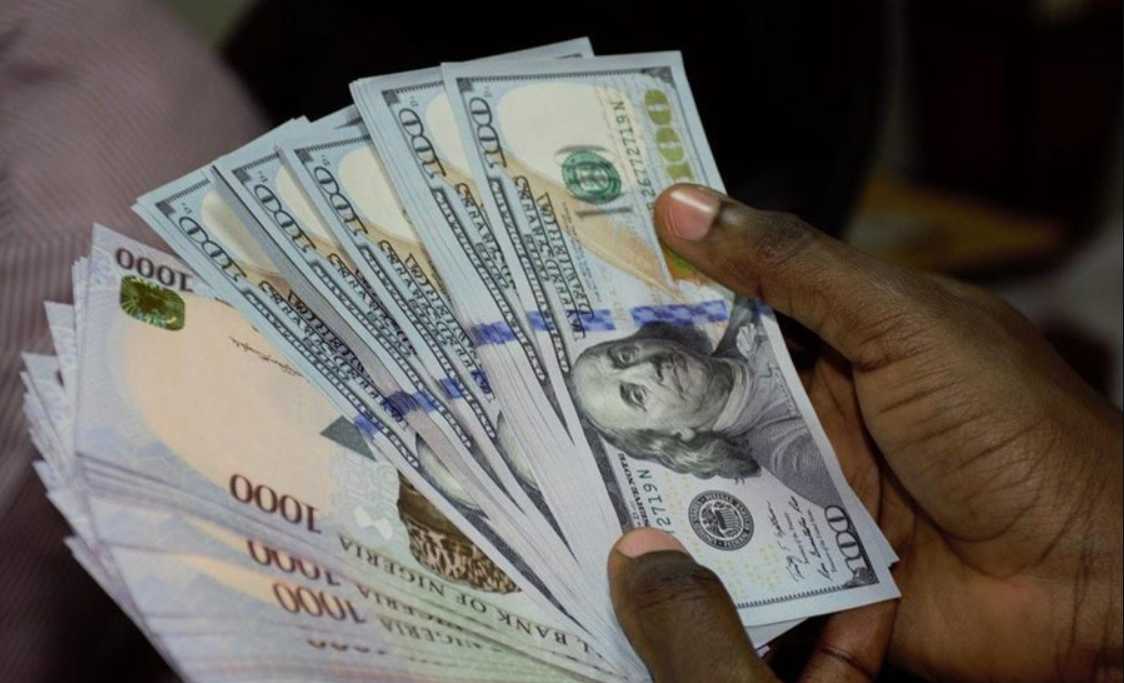
The Nigerian naira maintained relative stability against the United States dollar on Monday, May 11, 2026, as exchange rates across both the official and parallel markets showed only slight fluctuations.
At the official Nigerian Foreign Exchange Market (NFEM), the naira traded around ₦1,361 per dollar, according to figures published on the Central Bank of Nigeria’s exchange rate portal.
Trading data from the session showed the dollar exchanged within a range of approximately ₦1,355 to ₦1,366 at the official window, reflecting ongoing efforts by authorities to manage forex supply and demand pressures.
Meanwhile, in the parallel market — commonly referred to as the black market — Bureau De Change operators in major cities such as Lagos and Abuja sold the dollar between ₦1,395 and ₦1,405, while buying rates hovered around ₦1,385.
Forex dealers said the exchange rate varied slightly depending on transaction volume, location, and availability of foreign currency.
Why the Small Gap Matters
Financial analysts say the relatively narrow difference between the official exchange rate and black market rate may signal improved liquidity in Nigeria’s foreign exchange market.
In recent months, the Central Bank of Nigeria has continued various interventions aimed at reducing pressure on the naira and improving dollar availability within the formal banking system.
Experts believe that keeping the gap between both markets smaller could help reduce speculative trading and restore confidence among investors and businesses relying on foreign exchange.
Despite the temporary stability, market watchers say the naira remains sensitive to factors such as external reserves, crude oil earnings, foreign investment inflows, and demand for imported goods.
For many Nigerians and businesses that depend on dollar transactions, exchange rate movements continue to affect prices of goods, school fees abroad, travel costs, and import-related expenses.