

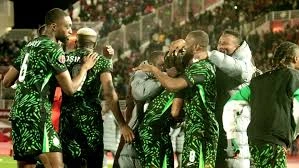
Nigeria — Nigeria’s performance at the Africa Cup of Nations (AFCON) has once again done more than decide football results. It has reopened conversations about national unity, youth opportunity, and the role sports still play in holding a diverse country together during difficult times.
Lead: why AFCON still matters beyond football
For weeks, millions of Nigerians followed every match involving the Super Eagles. Markets paused. Viewing centres filled. Social media timelines moved in the same emotional direction. In a country facing economic pressure and social tension, AFCON became a shared national moment. That alone explains why the team’s performance matters.
What happened
Nigeria competed at the Africa Cup of Nations, progressing through challenging fixtures against continental rivals. The team showed tactical discipline, resilience under pressure, and moments of individual brilliance. While results varied across matches, Nigeria remained competitive and visible deep into the tournament conversation.
The campaign was defined by collective effort rather than individual stardom. Young players stepped up. Experienced leaders provided stability. The squad navigated injuries, criticism, and high expectations from a demanding fan base.
Why performance matters in the Nigerian context
Football in Nigeria is not just entertainment. It is one of the few national platforms that cuts across ethnicity, religion, and class. When the Super Eagles play, identities temporarily align.
Strong AFCON performances reinforce a sense of shared pride. They remind Nigerians of what collective effort can achieve. Even in matches that end in disappointment, the act of competing together matters. It provides a counter-narrative to daily stories of division and struggle.
In moments of victory, streets erupt in celebration across regions. In moments of loss, collective disappointment is still shared. That emotional synchronisation is rare in national life.
The human side of national support
For many Nigerians, AFCON matches offered emotional relief. A trader in Aba, a student in Ilorin, and a taxi driver in Lagos all reacted to the same goals. That shared experience builds invisible social bridges.
Young people, in particular, saw reflections of themselves in the squad. Players from modest backgrounds competing on a continental stage reinforce belief. They show that discipline and opportunity can still produce success.
Parents watching with children saw role models who represent teamwork rather than individual shortcuts.
What it means for Nigerian sports development
Nigeria’s AFCON performance highlights long-standing issues in sports administration. Talent is not Nigeria’s problem. Structure is. When the team performs well, it often does so despite systemic challenges, not because they are solved.
The tournament renewed calls for better grassroots development, transparent funding, and long-term planning. Success exposes potential. Shortcomings expose neglect.
If lessons are taken seriously, AFCON moments can drive reforms. Investment in coaching, local leagues, and youth academies could turn episodic success into sustained excellence.
Economic and social ripple effects
AFCON success has economic implications. Viewing centres generate income. Small businesses sell jerseys, flags, and food. Advertising and media engagement spike.
More importantly, positive national moments improve social mood. Confidence, even temporary, matters in fragile economies. When citizens feel proud, civic engagement often improves, even subtly.
Football cannot fix inflation or unemployment. But it can restore belief, which is often a missing ingredient in reform conversations.
Unity does not erase problems, but it softens them
National unity during AFCON does not mean Nigeria’s problems disappear. Insecurity, hardship, and political disagreement remain. However, unity moments reduce emotional distance.
When Nigerians cheer the same team, empathy grows. Online hostility briefly drops. Regional stereotypes fade behind shared celebration. These moments remind citizens that coexistence is possible.
The challenge is translating emotional unity into structural cooperation beyond sports.
Who is most affected
- Young Nigerians seeking hope and representation
- Sports professionals pushing for better funding and planning
- Small businesses benefiting from tournament-driven commerce
- Fans across regions experiencing shared national identity
- Policymakers facing renewed pressure to support sports development
These groups experience AFCON not as abstract competition, but as lived reality.
What happens next
Attention will return to domestic football and administrative decisions. The key question is whether momentum will be sustained.
Will investments follow enthusiasm? Will youth programmes improve? Will lessons from AFCON inform preparation for future tournaments and global competitions?
History suggests enthusiasm fades quickly. This moment offers a chance to break that pattern.
Why this AFCON cycle should be remembered
Nigeria’s AFCON performance is not only about where the team finished. It is about what the tournament revealed.
It showed that Nigerians still rally around shared symbols. It showed that talent remains abundant. It showed that unity, though fragile, is achievable.
Sports alone cannot unify a nation permanently. But they can remind citizens of what unity feels like. In a divided world, that reminder has value.