

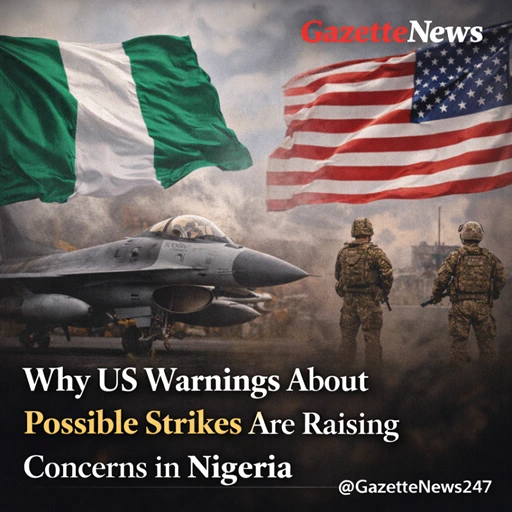
When reports emerged that the United States had warned of possible military action in Nigeria over ongoing killings, many Nigerians reacted with confusion, fear, and unanswered questions. For most people, the concern was not about diplomacy or global politics. It was about safety, sovereignty, and what such warnings could mean for daily life.
This is not just a foreign policy story. It is a human story about uncertainty and trust.
What Happened
US officials issued warnings suggesting that military action could be considered if killings linked to extremist groups continue. The statements were framed as part of broader counter-terrorism efforts, but their mention of Nigeria immediately drew attention.
For Nigerians, especially those living in areas affected by insecurity, the idea of foreign military involvement raised alarms about civilian safety and national control.
Why This Matters to Nigerians
For families already living with fear, such warnings deepen anxiety. Parents worry about schools and markets. Traders worry about movement restrictions. Communities worry about becoming targets, even unintentionally.
Foreign military action, even when framed as targeted, carries risks. History has shown that civilians can be affected through displacement, fear, or accidental harm. Nigerians want security, but they also want peace and stability without added danger.
Concerns About Sovereignty and Trust
Many Nigerians view security as a national responsibility. External warnings can feel like a loss of confidence in local efforts, even when cooperation exists behind the scenes.
There is also concern about how decisions are communicated. When citizens hear about possible strikes through international statements rather than clear local explanations, trust erodes and rumours grow.
People begin to ask:
Is Nigeria losing control of its security narrative?
Who protects civilians if foreign forces are involved?
How are communities informed and safeguarded?
The Human Cost of Uncertainty
Uncertainty itself has consequences. Fear affects behaviour. People avoid travel. Businesses slow down. Tension rises in already fragile regions.
For those far from conflict zones, the worry is different but still real. Many fear a return to global headlines that portray Nigeria only through violence, affecting investment, travel, and national image.
What Happens Next
Security cooperation between Nigeria and international partners is ongoing and complex. Any action, whether diplomatic or military, will likely involve coordination rather than sudden moves.
What citizens will be watching for now is clear communication. Nigerians want reassurance that their safety comes first and that decisions affecting the country are made transparently and responsibly.
The Bigger Picture
Security challenges are not solved by force alone. They require trust, local intelligence, community cooperation, and long-term solutions.
Warnings of external action highlight the urgency of addressing insecurity, but they also underline the need to protect civilians, preserve sovereignty, and maintain public confidence.
For many Nigerians, peace is not just the absence of violence. It is the confidence to live daily life without fear of the unknown.